Remote monitoring is no longer optional for modern factories. Connecting your industrial equipment to a web-based DAQ platform enables real-time insights, reduces downtime, and improves efficiency.
1. What Is Remote Monitoring?
Remote monitoring allows engineers to:
- View sensor data online
- Track machine status from anywhere
- Receive alerts when abnormal conditions occur
It transforms data from static logs into actionable intelligence.
2. How It Works
A typical remote monitoring setup includes:
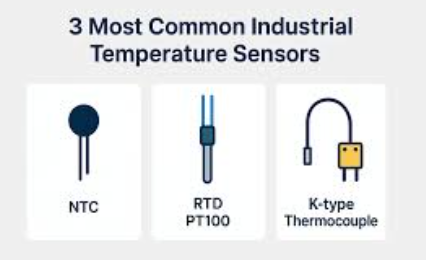
- Industrial Sensors → measure temperature, pressure, vibration, etc.
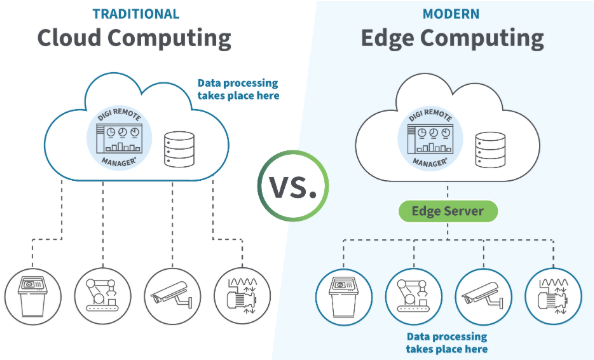
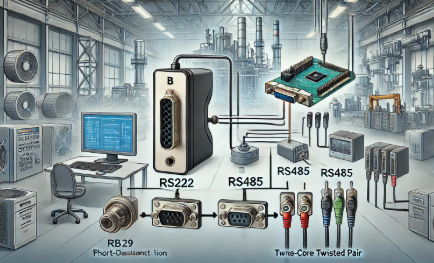
- IoT Gateway / DAQ Hardware → collects data from sensors (RS485, Modbus RTU/TCP, analog)
- Web Platform / Cloud → visualizes, analyzes, and stores data
- Notifications / Alarms → email, SMS, or app alerts for critical events
3. Benefits for Factories
- Reduced Downtime: Detect issues before they become serious
- Improved Productivity: Data-driven decision making
- Lower Maintenance Costs: Only perform maintenance when necessary
- Better Safety: Monitor critical machines remotely
4. Best Practices
- Use reliable industrial gateways with secure protocols (MQTT, HTTPS)
- Keep polling intervals realistic (0.5–2 seconds for critical sensors)
- Ensure sensors are calibrated and properly installed
- Implement role-based access for operators and managers
5. Why 2025 Is the Year for Remote Monitoring
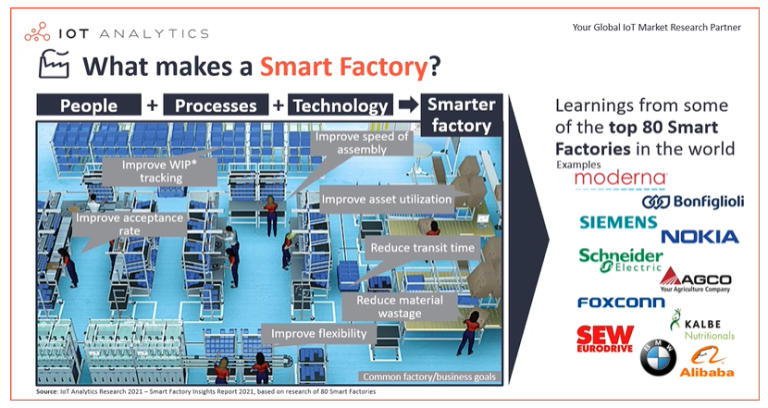
With increasing adoption of IIoT and smart factories:
- Legacy equipment can now connect online via gateways
- Web dashboards simplify data access
- Remote monitoring reduces the need for on-site staff
Factories that implement remote monitoring now gain a competitive advantage.
About the Author