As factories move toward digital transformation, Modbus TCP has become one of the fastest ways to connect industrial machines to modern IT and cloud systems. It combines the simplicity of Modbus with the speed of Ethernet.
What Is Modbus TCP?
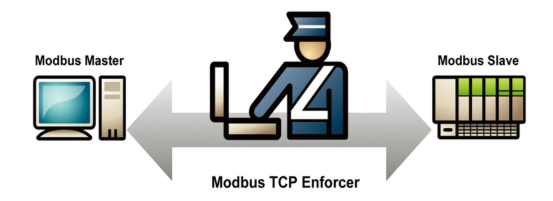
Modbus TCP is the Ethernet version of the Modbus protocol.
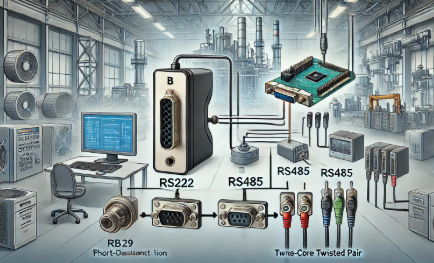
Instead of using RS485, it communicates over:
- Standard LAN
- Industrial Ethernet
- Wi-Fi (via gateways)
This makes industrial data accessible like any other network service.
Why Factories Choose Modbus TCP
1. Plug-and-Play Networking
Since Modbus TCP uses IP addresses, engineers can:
- Connect devices directly to switches
- Use existing IT infrastructure
- Avoid RS485 wiring limitations
This dramatically reduces installation time.
2. High-Speed Data Transmission
Modbus TCP supports:
- Faster polling
- Larger data throughput
- Lower latency
Ideal for high-frequency monitoring such as energy meters, PLCs, and smart sensors.
3. Easy Integration With Cloud and Web
Modbus TCP works seamlessly with:
- Web dashboards
- Cloud platforms
- SCADA systems
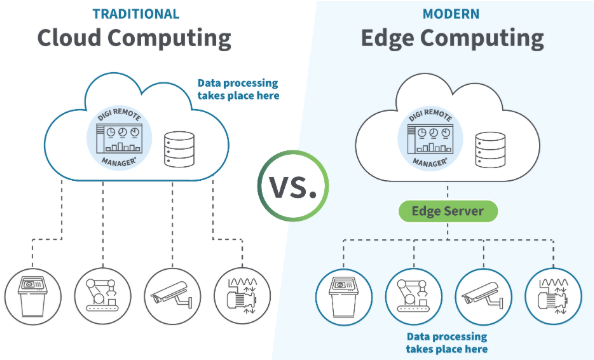
- Edge gateways
IT teams can read machine data using standard TCP sockets—no special serial drivers required.
4. Scalable for Modern Factories
Because Modbus TCP supports unlimited nodes (based on IP networks), it is ideal for:
- Large factories
- Smart buildings
- Distributed equipment
- Energy management systems
About the Author