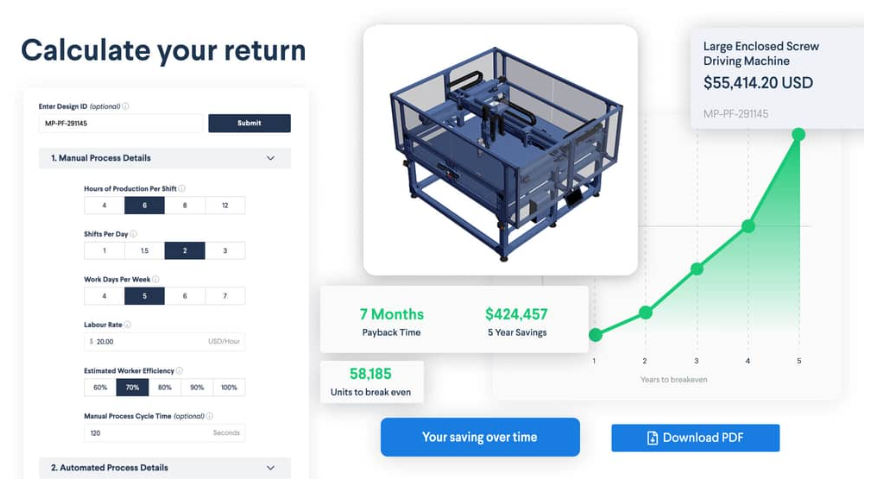
Before investing in an industrial data acquisition (DAQ) system, decision-makers want to understand the return on investment (ROI). A clear ROI model helps justify digitalization projects and prioritize deployments.
1. What Drives ROI in Industrial DAQ?
Industrial DAQ delivers value by:
- Reducing unplanned downtime
- Lowering maintenance costs
- Improving energy efficiency
- Increasing production output
- Reducing manual data collection
These benefits translate directly into cost savings and revenue gains.
2. Key Cost Components
Typical DAQ project costs include:
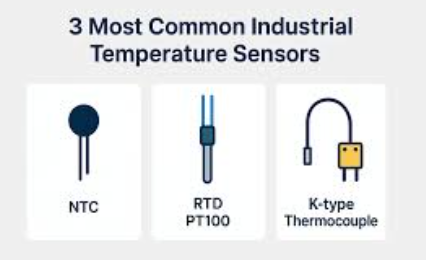
- Sensors and meters
- DAQ hardware or IoT gateways
- Network and installation
- Software licenses or cloud services
- Integration and maintenance
Understanding total cost of ownership (TCO) is essential for accurate ROI.
3. Quantifying the Benefits
Common measurable gains:
- Downtime reduction (%) × hourly production loss
- Energy savings (kWh) × energy price
- Maintenance labor reduction
- Scrap and defect rate reduction
Even small improvements often produce significant annual savings.
4. Payback Period Expectations
In many industrial projects:
- Payback period: 6–18 months
- Energy monitoring projects: often < 12 months
- Predictive maintenance projects: high long-term ROI
This makes DAQ one of the fastest-return digital investments.
5. Why Data-Driven ROI Matters
Clear ROI metrics:
- Accelerate management approval
- Support phased rollouts
- Align IT and OT teams
- Ensure long-term project success
Industrial data acquisition is not just a technical upgrade—it is a measurable business investment.
About the Author