Web APIs (Application Programming Interfaces) are essential for integrating industrial data into modern dashboards, cloud platforms, and analytics systems. They allow seamless communication between machines, DAQ systems, and web applications.
1. What Is an Industrial Data API?
An API is a standardized interface that lets software systems exchange data. In industrial environments, APIs:
- Deliver sensor readings
- Provide machine status
- Allow remote control
- Enable integration with analytics tools
2. Why APIs Are Important
APIs allow factories to:
- Centralize machine data
- Build custom dashboards
- Connect legacy equipment with cloud systems
- Automate workflows and reporting
3. Common API Types in Industry
- RESTful API: Easy to use, JSON/XML output, ideal for web applications
- MQTT: Lightweight, real-time messaging for IoT devices
- OPC UA: Standard protocol for industrial automation systems
4. How API Integration Works
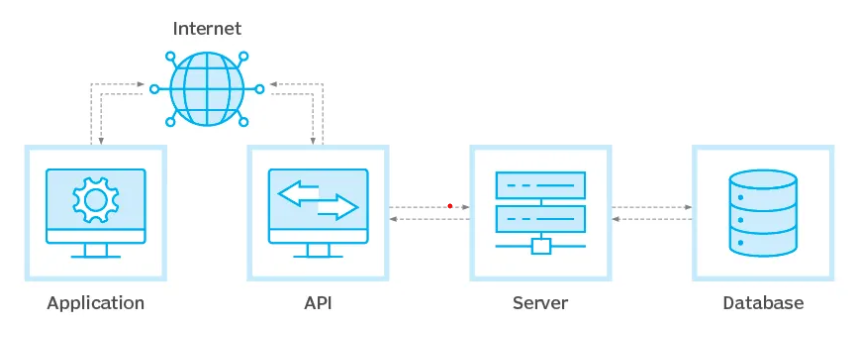
- DAQ hardware collects sensor or machine data
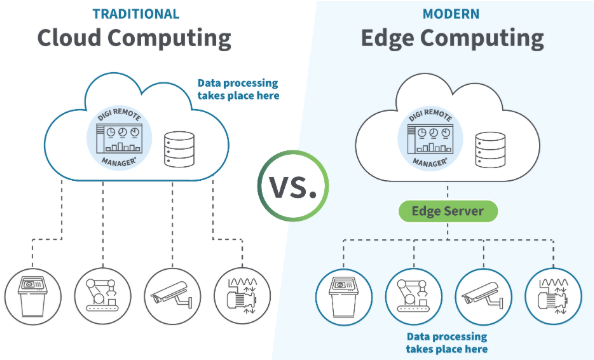
- Edge or gateway device formats data for the API
- Web platform or cloud reads the data via API
- Data is displayed in dashboards, alerts, or analytics modules
5. Benefits of API Integration
- Real-time visibility across all machines
- Easy integration with BI tools and ERP systems
- Automation of maintenance and production reports
- Enhanced scalability for multi-site factories
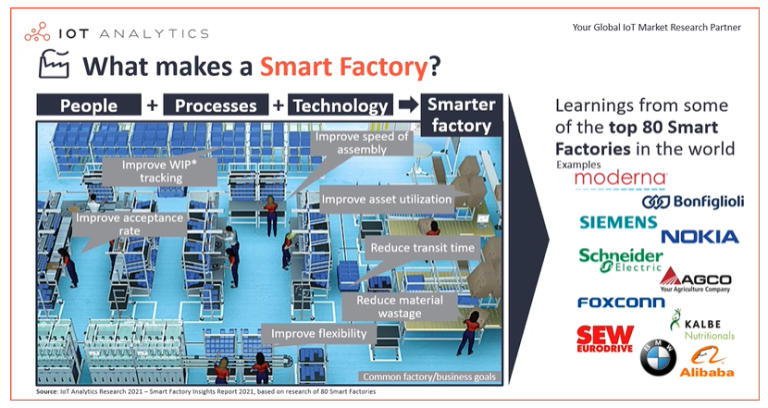
APIs are the bridge that turns isolated industrial devices into connected, smart factory systems.
About the Author