Machine learning (ML) is a powerful tool for extracting value from industrial data. By analyzing historical and real-time sensor data, ML models can improve efficiency, reduce downtime, and support predictive maintenance.
1. What Is Machine Learning in Industry?
Machine learning uses algorithms to:
- Identify patterns in data
- Predict outcomes
- Automate decision-making
It complements traditional DAQ systems by adding intelligence to raw sensor data.
2. Key Industrial Applications
- Predictive Maintenance: Detect anomalies before equipment fails
- Quality Control: Spot defective products automatically
- Energy Optimization: Predict and reduce energy peaks
- Production Planning: Optimize machine scheduling and throughput
3. How ML Works With DAQ Systems
- Sensors and machines collect data (temperature, vibration, current, flow, etc.)
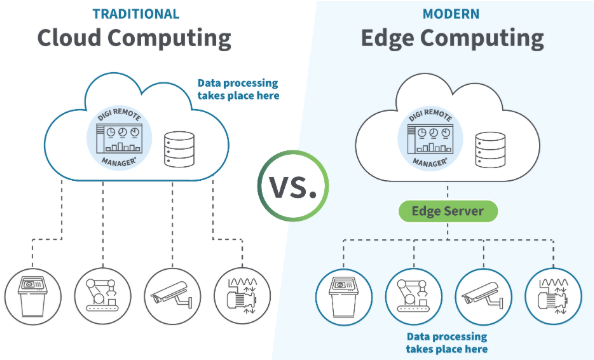
- Data is preprocessed locally or in the cloud
- ML models analyze trends, classify events, or predict failures
- Results are visualized on dashboards or used to trigger automated actions
4. Benefits of Machine Learning
- Faster problem detection
- Reduced unplanned downtime
- Cost savings on energy and maintenance
- Improved product quality and consistency
5. Implementation Tips
- Start with clean, high-quality historical data
- Focus on critical machines or processes first
- Use edge computing for real-time insights
- Continuously retrain models with new data
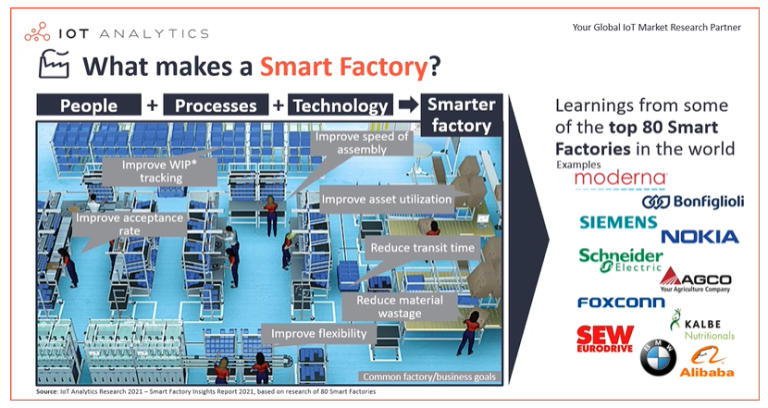
Machine learning transforms industrial data into actionable intelligence, enabling smarter, more efficient factories.
About the Author