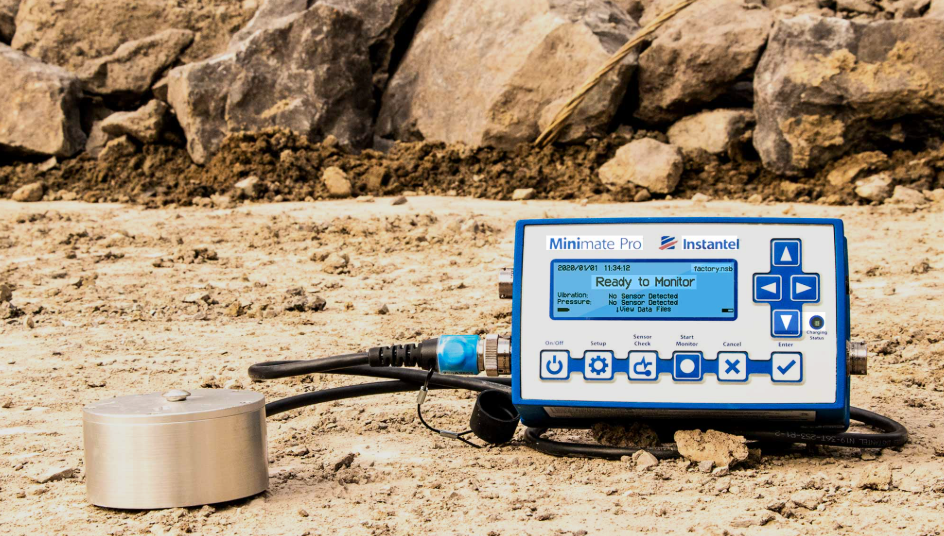
Vibration monitoring is one of the most effective methods for detecting mechanical issues in industrial equipment. It provides early warning signs of faults long before visible damage occurs.
1. What Is Industrial Vibration Monitoring?
Vibration monitoring measures:
- Acceleration
- Velocity
- Displacement
Using sensors installed on motors, pumps, fans, and gearboxes, it captures mechanical behavior in real time.
2. Why Vibration Data Is Critical
Abnormal vibration often indicates:
- Bearing wear
- Shaft misalignment
- Imbalance
- Loose components
- Gear defects
Detecting these issues early prevents catastrophic failures and costly downtime.
3. How Vibration Data Is Collected
A typical vibration monitoring system includes:
- Accelerometers (IEPE or MEMS)
- DAQ hardware or IoT gateways
- High-frequency sampling
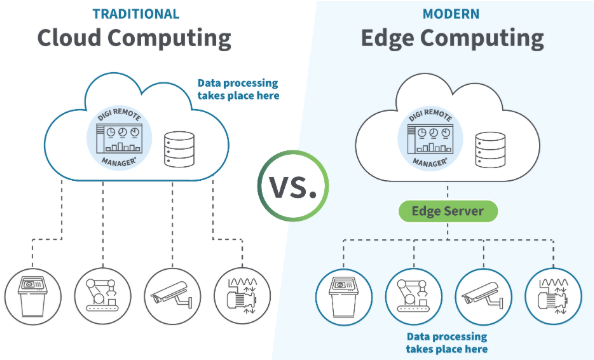
- Edge processing for filtering and FFT
This setup enables accurate condition monitoring.
4. Real-Time Alerts and Trend Analysis
Modern platforms support:
- Threshold-based alarms
- Trend tracking over time
- Spectrum analysis (FFT)
- Baseline comparison
These tools help engineers identify changes in machine behavior.
5. Common Applications
- Motors and pumps
- Fans and compressors
- Gearboxes
- Rotating machinery
- Predictive maintenance programs
Vibration monitoring is a core component of any advanced industrial condition monitoring system.
About the Author