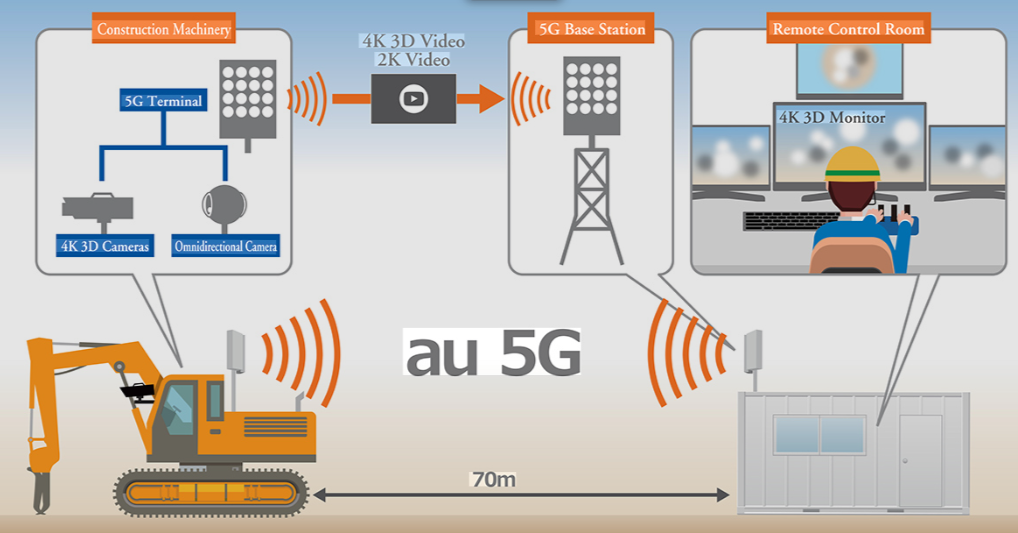
Remote operations enable engineers and managers to monitor, control, and maintain industrial equipment without being on-site. Combined with DAQ systems and web platforms, remote operations improve efficiency and reduce costs.
1. What Is Remote Industrial Operation?
Remote operations use connected sensors, gateways, and dashboards to:
- Monitor machine status
- Control equipment parameters
- Receive real-time alerts
- Access historical performance data
This allows centralized management across multiple factories or production lines.
2. Benefits of Remote Operations
- Faster Response: Issues are detected and resolved immediately
- Reduced Travel Costs: Engineers don’t need to be on-site
- Improved Maintenance: Early fault detection prevents unplanned downtime
- Better Resource Allocation: One team can manage multiple sites
3. How It Works
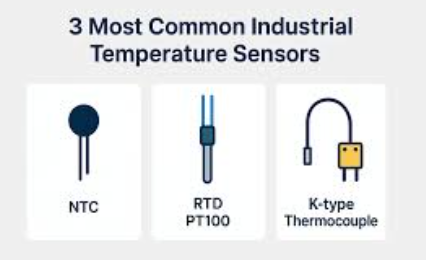
- Sensors and DAQ hardware collect machine data
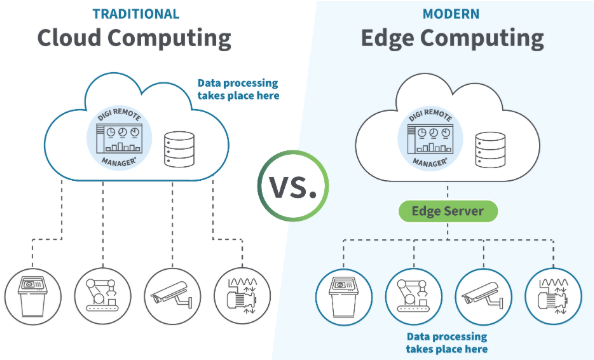
- Edge devices process and send critical data to the cloud
- Web dashboards display real-time metrics
- Alerts are sent via email, SMS, or mobile apps
- Operators can adjust machine settings remotely (if allowed)
4. Best Practices
- Secure all remote connections with VPN or HTTPS
- Define user roles and permissions
- Ensure reliable network redundancy
- Log all remote operations for auditing and troubleshooting
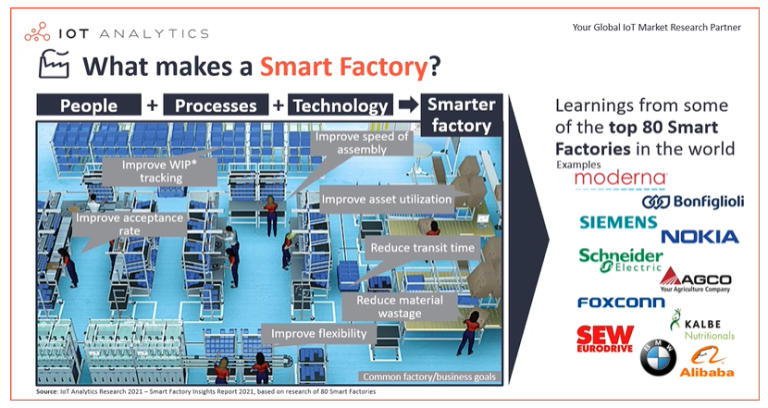
Remote operations turn industrial data into actionable control, allowing smarter, more responsive factories.
About the Author